How to Find a Rescue

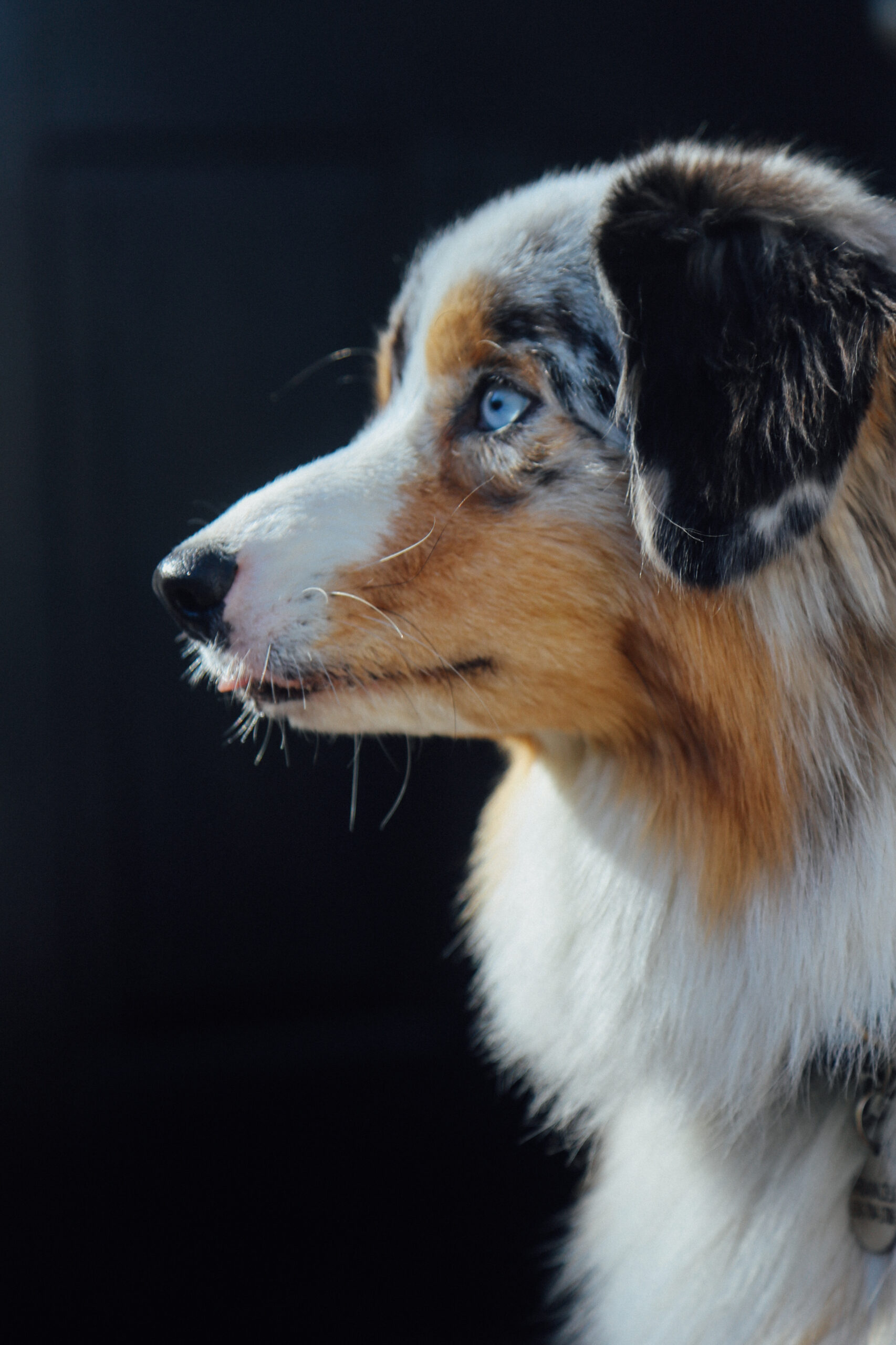
People are always amazed when they meet Scout, and see how chill and affable he is. The thing is, he wasn’t always chill and affable; that took training. But — and this is key — I knew the chill and affable part of him was there because of (drum roll please) his body language in the photos that were posted online through his rescue group.
Dogs are telling us what’s going on in their heads every time we take a picture, even if they’re not showing it behaviorally yet. If you know dog body language, then you can predict a good chunk of things to come.
I used my knowledge of body language when I went looking for Scout, just like I use it for my clients whenever they ask me to help them find a dog. No temperament testing, no in person meets (at least not until the end); just looking at the body language in the photos.
This is often more accurate long term than what the fosters (if there are any) have experienced. Dogs are on their best behavior for the first 8 weeks, and often a foster hasn’t had them for that long. Dogs also take their cue from other dogs, so if a dog has barking problems but they’re in a house where the other dogs don’t bark, those problems will temporarily go away. Finally, a dog with aggression issues brought into a house with four other dogs will smush those issues temporarily, for fear the other dogs will pack up and drive them out.
So, if you’re looking for a rescue, here are two major tips:
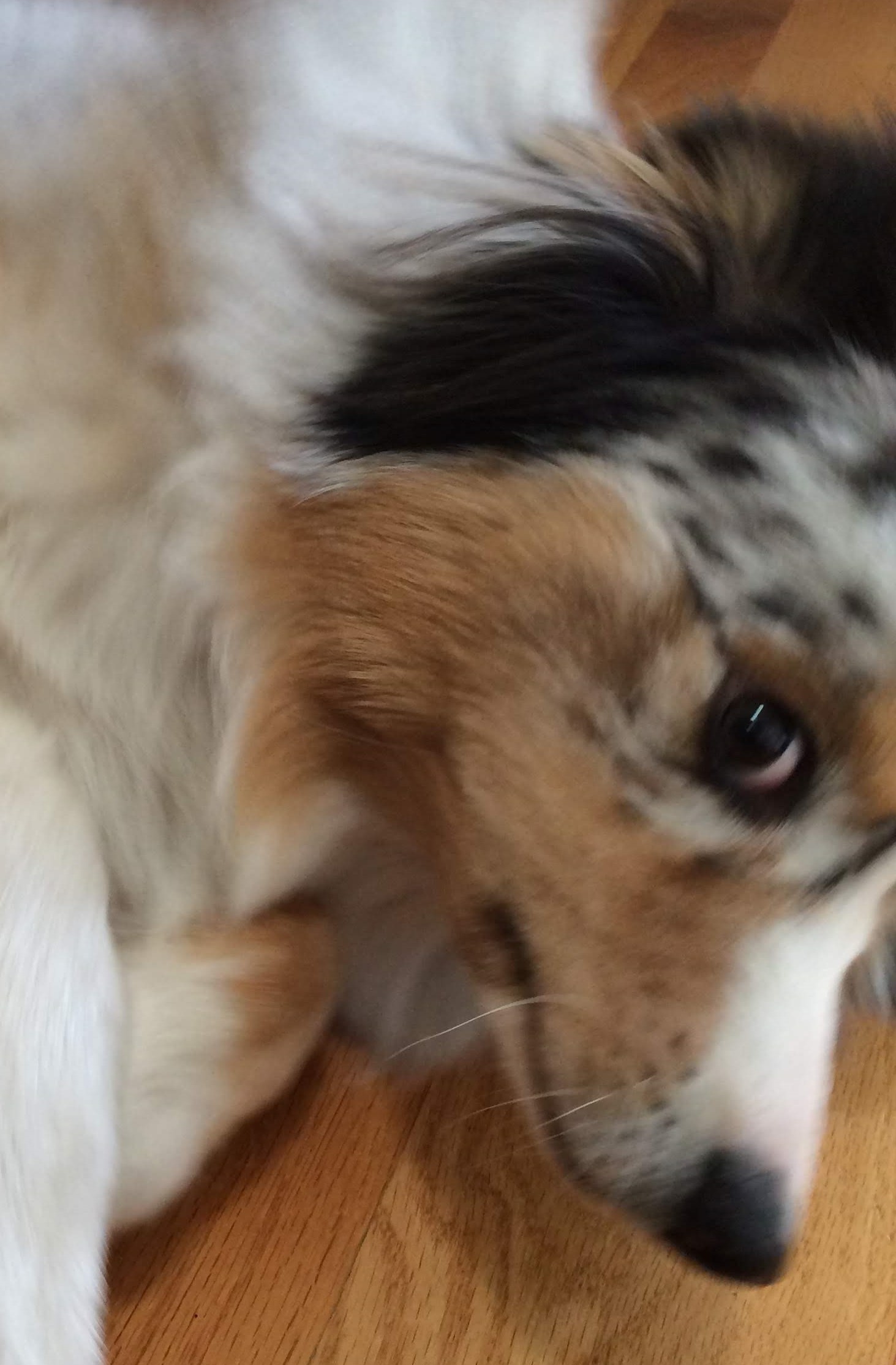
1. If the whites of the eyes are showing in a photo, that dog is under stress or anxiety right that moment. This could be because of something that just happened, but it could also mean they’re dealing with generalized anxiety. If there are multiple photos where the whites of the eyes show, that dog probably has anxiety issues. (Yes, even if the whites are showing because the dog is looking sideways.)
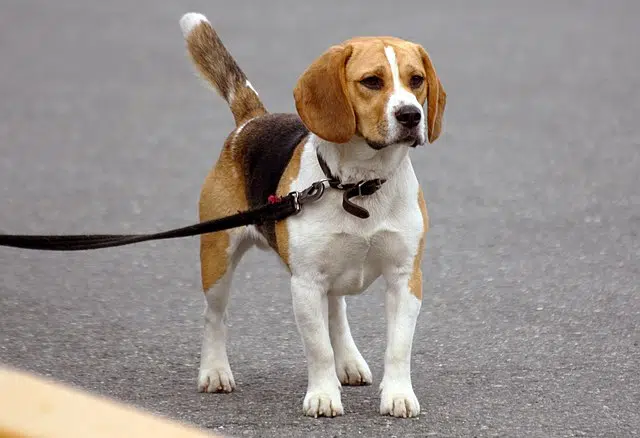
2. Keep your eyes open for images where the ears are hard forward (often creating wrinkles in the brow) and the mouth is closed. This is a hard stare, and often indicates a dog with an overly assertive personality; the kind where aggression is most likely going to be a problem.
Could it be that these are flukes? That the dog was stressed about the camera and the other dog was looking at a ball? Sure. That’s possible. (Although if a dog is looking at a ball, their mouth is almost always open.) So look for multiple pictures with the same thing, indicating a pattern. Even pictures all taken at the same time will show a pattern; if the dog is holding that same emotional state for five minutes, that tells you something.
Want to learn more? Ask me about the upcoming retreat, May 1-3, in Hillsboro, OR!
Jenna